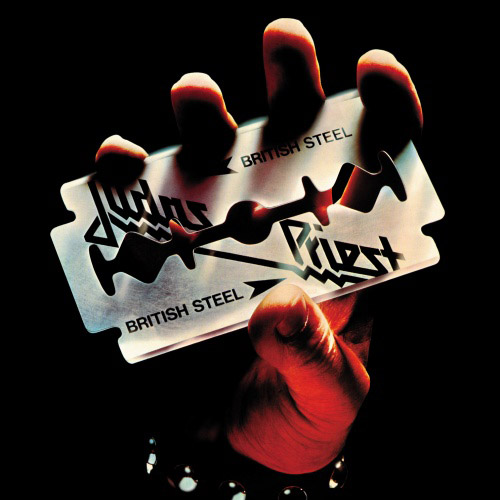
1980 is considered one of the turning points in metal history—and without a doubt, Judas Priest's legendary album British Steel, released that very year, stands as one of the most influential works ever to shape the genre. With this release, the band etched its name among the immortals and spread its fame worldwide under the banner of the “Metal Gods.”
This album marked the band's shift away from their earlier blues influences, moving toward a darker, more crushing sound. It features a string of phenomenal tracks including “Rapid Fire,” “Metal Gods,” “Breaking the Law,” “United,” “Grinder,” “Living After Midnight,” and “Steeler.” With razor-sharp riffs, searing solos, Dave Holland’s pounding drums, and Rob Halford’s soaring, semi-operatic vocals, British Steel played a key role in the birth of Speed Metal. Lyrically, the songs often address themes relevant to youth culture.
The three-minute anthem “Breaking the Law” carries a distinct Punk Rock feel. With no solo, simplified riffs, and rebellious lyrics challenging authority, it clearly channels the punk ethos. Siren and glass-breaking sound effects heighten the sense of social unrest. In the music video, the band famously robs a bank and destroys its walls with Downing’s explosive guitar riffs.
The second track, “Rapid Fire,” features lightning-fast riffs and an aggressive structure. Like its title suggests, it’s a sonic assault with blistering guitar work, Holland’s thunderous, tempo-driving drums, and Halford’s commanding roar—all delivering a tremendous impact. “Metal Gods” slows the pace with grinding riffs, but its power is no less intense. The song has become synonymous with the band itself and earned Halford his iconic nickname, The Metal God.
Next up is “Grinder,” a track that would go on to inspire later albums like Defenders of the Faith and Painkiller, both musically and lyrically. With Halford’s razor-sharp vocal delivery and a pure Hard Rock foundation, it's a raw and driving piece.
In “United,” the band delivers patriotism-tinged lyrics like “United, United, United We Stand / United We Stand One And All,” supported by anthemic choral vocals. “You Don’t Have to Be Old to Be Wise” is a truly majestic track, beginning with a scalding, canon-like guitar riff that slowly grows in intensity. As the full band joins in, Halford delivers a vocal performance full of youthful rebellion and grandeur.
“Living After Midnight” is another standout hit from the album. With a similar rhythm and tempo to the previous track, it’s an exceptionally polished and catchy song, filled with fluid guitars and almost flawless structure. Its alluring charm is heightened by Glenn Tipton and K.K. Downing’s intricate guitar work and irresistible choral vocals, while Halford’s charismatic voice once again takes center stage.
“The Rage” opens with Ian Hill’s eerie bass riffs, briefly taking the spotlight before being joined by the rest of the band. There’s a jazz-like quality to Hill’s bass line here, blending with Halford’s powerful vocals and giving the song a unique sharpness. The track evokes a sense of heroism wrapped in drama. Halford’s delivery at the end of each verse brings a chill, rich in emotional nuance—though in some moments, his vocals feel slightly out of sync. Still, it's a fantastic track.
“Steeler” is an extraordinary closing number and arguably one of the greatest Speed Metal songs ever recorded. It kicks off with intense force, progressing through electrifying lines with unwavering momentum. It carries the same powerful energy as “Rapid Fire,” but even faster in execution, cemented by Halford’s incredibly charismatic performance. Just as Sad Wings of Destiny had a major influence on NWOBHM and Progressive Metal, British Steel would go on to inspire generations of Glam and Thrash Metal bands.
As one of the definitive albums of the late ’70s and early ’80s, British Steel helped shape the identity of Heavy Metal and propelled Judas Priest to the top with massive commercial success.